
Africa’s digital growth: Six lessons on online safety
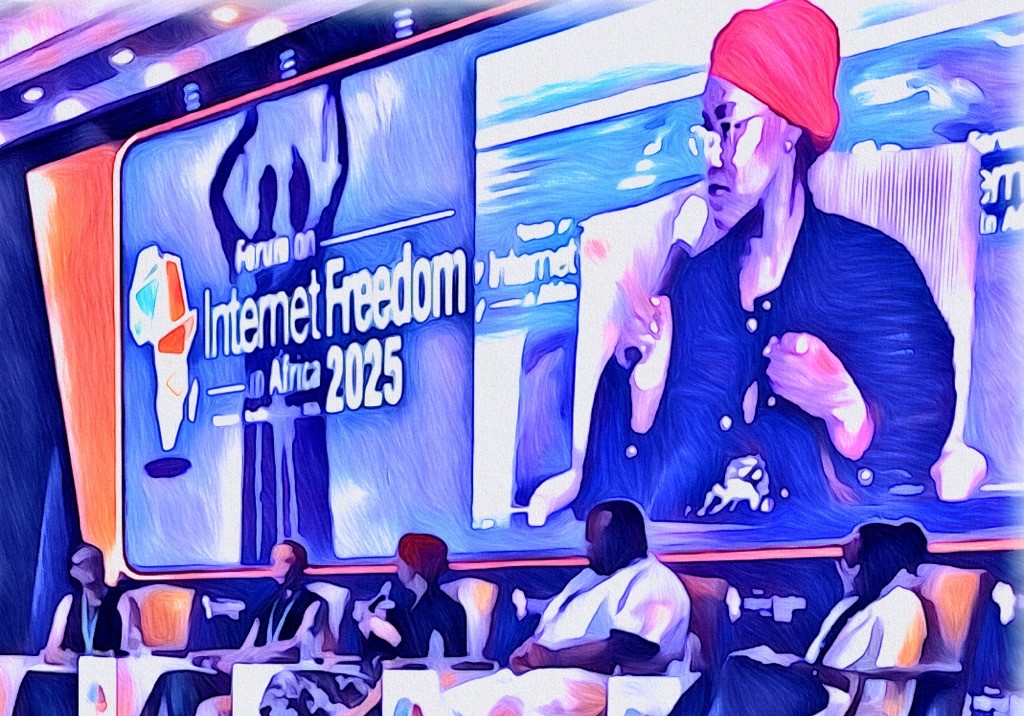
Digital development in Africa is exciting to watch. From Nairobi’s digital transformation and buzzing innovations to Lagos’ Fintech revolution and Kigali’s forward leaning digital governance, the continent is shaping how technology is built, used and governed. As connectivity deepens and digital economies expand, parallel conversations have taken root across Africa’s policy tables, community, and tech sector convenings. These include conversations on harnessing AI and the digital revolution for cross-sectoral advancements and how to ensure the digital surge centers ethics, safeguards, responsible innovation, and rights-respecting governance. In my role as Kenya country lead for the National Models for Women's Safety Online Initiative (NMWSO), I have had the privilege of being part of many of these convenings this year.
I already knew that technology can and does mirror our physical realities. However, in addition to the joy and brilliance of our culture and innovative solutions, it often reflects biases, digital divides, inequalities, and harmful practices and norms. Women and girls, and those who have had less access to digital opportunities, have different experiences and are disproportionately impacted by digital harms, online and offline. It is not an uncommon complaint, for example, that before getting into a cab, women share locations with friends or family for safety. Some women are sexually harassed, and sometimes those with disabilities are denied services altogether. When concerns are reported, these incidents are often not taken seriously.
I was surprised to find that many discussions in the tech industry do not include survivor perspectives, leaving much of their experiences overlooked amid excitement and rapid technological advancements.
Below are six lessons that I learned from conversations and reflections with tech, government, community, and academic practitioners – in Kenya, Uganda, Namibia, and South Africa. These insights can help educate leaders and the public in creating digital spaces and products that serve everyone.
Lesson 1: Balance digital optimism and realism.
Many tech-driven discussions promote rapid innovation, but this can lead to issues like data privacy risks, bargaining power loss, and online harms (digital fraud, algorithmic manipulation, coercive digital control), especially for those with limited digital agency and skills. It is critical to bridge technology’s "ethical debt" which results when possible negative consequences or societal harms overlooked. Africa should innovate boldly and ethically, acknowledging the “ethical debt” created when technology outpaces safeguards.
Lesson 2: Communicate how harms impact everyone.
Nuanced aspects of vulnerability to digital harms and online abuse in digital spaces can be new concepts in many tech spaces and are quickly dismissed as “women’s issues”. To shift this paradigm, we must gather stronger evidence, data, and storytelling on the impact of digital harms on individuals, community, livelihoods, democracy, peace, cohesion, and wellbeing. This shows how everyone benefits when women and other vulnerable groups are safeguarded from digital harms.
Existing evidence shows that when women feel safer online, household income, community trust, and community engagement increase. Online safety for women is not a niche issue, but rather a foundation for societal wellbeing.
Lesson 3: Collaboration is key.
Participating in conversations in different regions and countries showcased that as a continent, Africa can accelerate progress, connect, learn, and adapt faster if we build stronger cross-regional learning loops, coordinate better, eliminate unnecessary bureaucracy, and learn about what works best for our regional frameworks. Collaboration is improving but remains inconsistent across initiatives like AU’s Data Privacy Frameworks (Resolution 630), regional digital rights networks like CIPESA, global networks Global Online Safety Regulators Network (GOSRN) and other local multi-stakeholder safety networks and coalitions such as UNESCO's Social Media 4 Peace FeCoMo Coalition, ACOSA, AIRA. Community-led regulatory approaches across countries may vary but offer practical insights and best practices that can be adapted. Localization of leadership in digital governance and investing in research and knowledge-sharing is essential.
Lesson 4: Africa's tech industry is open for engagement.
There is a notable shift and buy-in from the local commercial tech sector to join conversations on safety by design, ethical AI, regulatory compliance, and platform accountability. Over the last six months in Kenya, we have engaged over 150 tech sector stakeholders in a series of consultations and workshops, co-designing and deploying a Safety-by-Design training curriculum and mentorship aimed at anticipating and mitigating digital harms. This proactive approach centers risk mitigation, user dignity, privacy, transparency, and accountability in the development of digital products. Now there is growing recognition that safety by design should be a standard, not a catch phrase, and there is an opportunity to build new industry norms that prioritize safety. Local and regional commercial tech platforms and start-ups are interested in “moving with thought” to reduce digital harms and build trust with users.
Lesson 5: Regulation is evolving but needs harmonization and clarity.
Africa’s data protection laws, AI strategies, cybercrime laws, and online safety guidelines exist or are being adapted at a rapid pace. Yet, many remain fragmented, inconsistently enforced or punitive, with the burden largely placed on users of digital platforms to protect themselves and redress digital harms. Unclear legal definitions of digital harms enable violence, impunity, and lack of accountability by perpetrators and platforms. A clear and regionally aligned regulatory ecosystem can boost innovation, trust, safety, and accountability.
Lesson 6: Demand for safety is increasing and cannot be ignored.
Across the continent, communities are becoming more vocal about the need for safer tech. From parents’ concerns about children’s exploitation and exposure to harmful online content, to consumers’ wariness of scams and algorithmic manipulation, public demand for transparency, accountability, and digital safeguards is growing. User calls for safer online environments are common, with recommendations including stronger regulation, digital literacy campaigns, and strengthening support for addressing digital harms.
This growing demand is the most powerful catalyst for change, and governments, tech platforms, and innovators are ready to respond. As experts and community leaders, we must offer perspectives, evidence, capacity, tools, and connections to ensure solutions promote fair digital development across Africa and beyond.