There are an estimated 350,000 libraries around the world. More than 230,000 of these—65% of the world’s total—are located in developing and transitioning countries.
The 21st-century library is no longer just about books or a place for kids. In many parts of the world, libraries and librarians have a history as trusted, community-based sources for addressing people’s information needs. Public and community libraries can be sustainable local institutions that can stimulate grassroots development.
When properly supported, libraries can offer free civic resources, public services, and physical and digital spaces to consume and create knowledge. Libraries are a safe space for internet access, and librarians can play a critical role as trusted intermediaries. This is particularly important for people with limited digital skills and underserved communities such as minorities or women, in certain contexts. In this way, libraries can be essential equalizing institutions. By supporting and strengthening libraries, we are ensuring inclusive access to information for citizens.
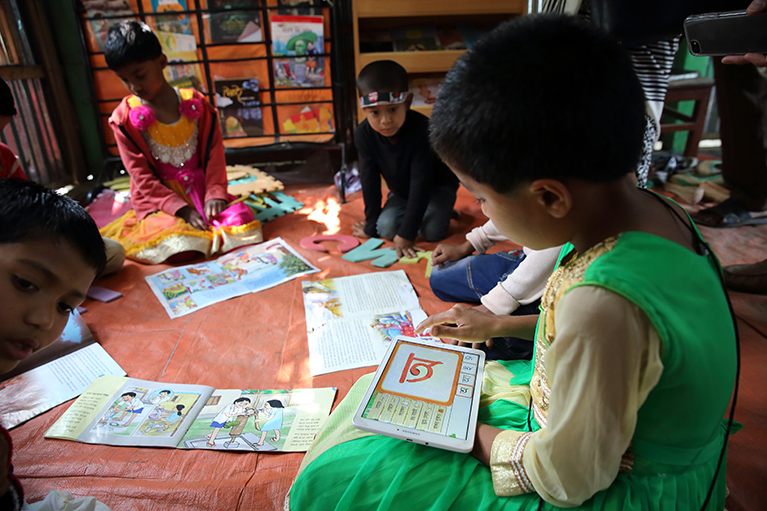
Libraries can also be powerful partners for delivering a wide range of services that enable communities to achieve their development goals. Over the past 13 years, we’ve successfully partnered with libraries to raise antitrafficking awareness, provide early grade literacy opportunities, organize hackathons, promote civic participation, and conduct media literacy and digital literacy training, to name a few examples.
{"preview_thumbnail":"/sites/default/files/styles/video_embed_wysiwyg_preview/public/video_thumbnails/EZOXVk3BBh0.jpg?itok=ng99AsOM","video_url":"https://youtu.be/EZOXVk3BBh0","settings":{"responsive":1,"width":"854","height":"480","autoplay":0},"settings_summary":["Embedded Video (Responsive)."]}