
Coming home has changed: What veterans and families teach us about reintegration
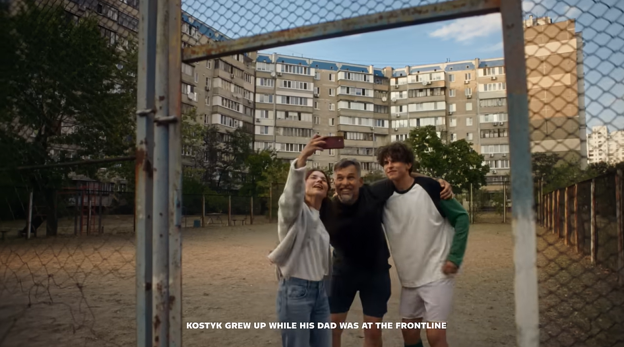
A service member's return home is a moment families wait for every day. It marks the end of a long separation, but is also the beginning of a new and challenging chapter.
The Ukrainian government projects that after the war ends, the country will have 5 to 6 million veterans and family members. For many of these families, reintegration will mean more than returning to their routines. Veterans and their families will need to understand how each has changed during their time apart and find new ways to connect.
IREX survey data underscores how important family relationships are: 55% of veterans say reuniting with family is the single most important factor in successfully returning to civilian life. However, wanting to reconnect and knowing how to do it are not the same.
To help families bridge the gap between life on the frontlines and life at home, IREX and the Ministry of Veterans Affairs of Ukraine launched "Nice to Meet You Again," a national awareness campaign.
Understanding the challenges of family reintegration
In preparation for the campaign, IREX conducted a baseline survey which found that 80% of families are ready to support their veteran's readjustment, but only 60% know how. Many hesitate to seek psychological help, viewing it as a sign of weakness or something reserved for extreme crises.
To ensure the awareness campaign resonated with veterans and their families, focus groups were conducted to test its slogans, messages and visuals. Results reinforced the complexity of the transition and suggest an important lesson: Families need practical guidance not only on how to support a veteran, but also on how to build a new relationship with the person who has returned..
One veteran’s partner described returning home as a mixture of joy and shock:
"Returning to an environment that is completely different, while having changed yourself as well. Home feels like yours, but at the same time, it's different."
Family members also spoke about the changes in trust, belonging, and behavior they experienced.
One parent of a veteran stated, "They have a heightened sense of justice. I'm afraid that as they process what goes on in civilian life, their behavior might become unpredictable." At the same time, participants expressed a desire to find new ways to connect with the people they love.
Curiosity as a starting point for connection
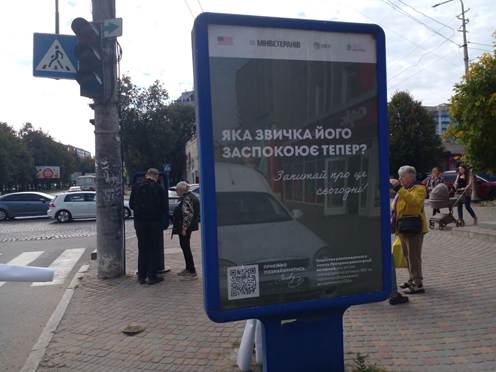
The core message of the campaign is simple: "We change while apart, and that's okay. Build the future by getting to know each other again."
Instead of encouraging families to restore life as it was before service and expecting a service member to come back as the same person who left for war, the campaign asks them to approach each other with curiosity.
Posters across Ukraine pose simple questions such as:
- "What makes him smile now? Ask him today!"
- "What are her favorite flowers now? Ask her today!"
These questions deliberately focus on the small everyday details. Asking about someone’s interests, feelings, and preferences can create opportunities for connection without assuming the person has remained the same.
The campaign also directs people to the VeteranPro platform, which offers step-by-step advice from psychologists for real-life situations that families may encounter during reintegration. Topics include preparing for a veteran’s return, the first days together, children and a parent’s return, and emotional states and safety.
The campaign also includes three short videos featuring veteran actors who served on the front lines. The videos focus on parent-child relationships, romantic partnerships, and relationships between siblings.
Reconnection in practice
The lived experiences of veteran families show why patience and communication matter.
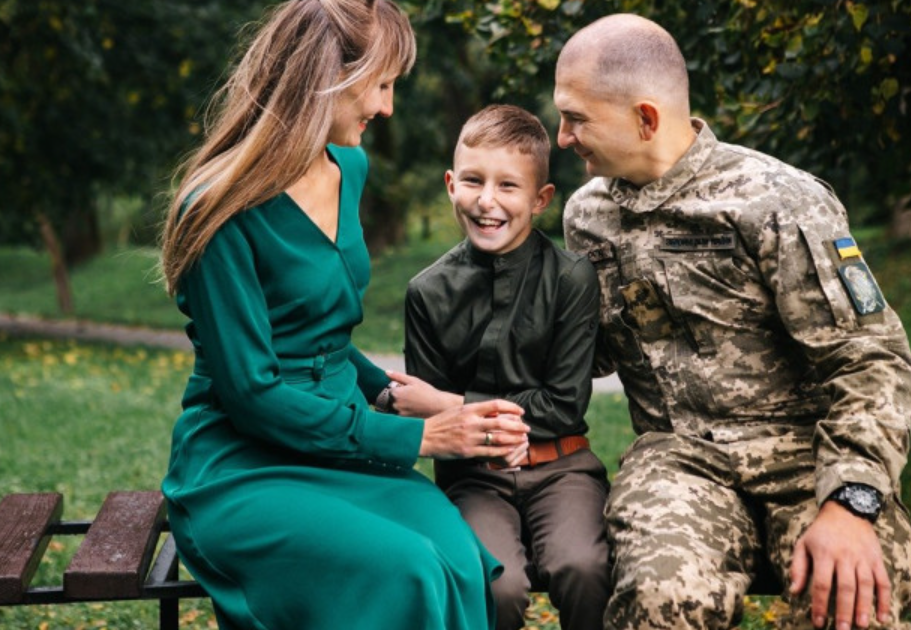
Vitalii Kyrychuk enlisted two days after the full-scale invasion. For the next two years, his wife, Tetiana, dreaded calls from unknown numbers. Their seven-year-old son, Artur, sent his father drawings and looked out for his mother.
Upon Vitali’s return home, being together again did not immediately erase the distance created by their time apart. "Physically, he was with us, but emotionally, he was still out there," Tetiana recalls. The couple saw a psychologist and wrote their needs on notes stuck to the refrigerator, working to rebuild their relationship step by step.
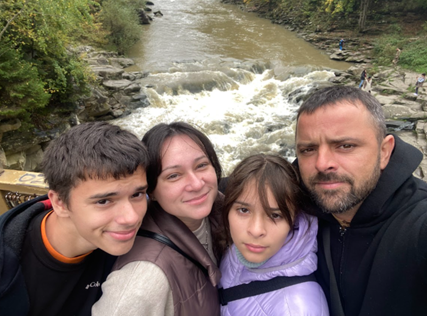
Andriy Demyanchuk's family experienced a similar adjustment. Eleven months after demobilization, he is still relearning how to connect with his wife and two children, who had become teenagers while he was serving. "It was hard — to be completely honest, extremely hard. But we would sit down and talk," he says.
Their experiences illustrate why reintegration is a process rather than a single moment in time. While physical return can happen in a day, rebuilding relationships can take much longer.
Designing responsive veteran support
Early engagement with the “Nice to Meet You Again” campaign suggests that families are actively looking for guidance. In its first week, the campaign directed more than 20,000 visitors to the VeteranPro platform.
Users showed particular interest in the early stages of return and connection between couples, while content on children and a parent's return drew the highest engagement. Families are actively looking for guidance, even though it's still unclear what reintegration will look like in the long term. The campaign will also reach a wider audience: the National Council of Television and Radio Broadcasting granted the campaign videos official PSA status. From October 24, they air on the "United News" telethon (1+1, Inter, ICTV, Rada TV, and "We – Ukraine"). IREX's research and its ongoing work with veterans and their families point to the same need: practical, accessible support as veterans return to civilian life.
Reintegration rarely happens all at once. But when veterans and their loved ones approach each other with curiosity and patience, and seek support when they need it, they can learn to move forward together.